



Couple games are an easy way to make a night at home more interesting. You pick a game, sit down, and start playing together.
The tricky part is knowing what to pick. Some games sound good in theory but feel awkward once both of you are involved. This list focuses on games that hold up once you actually start playing, whether that means coordinating closely or just settling into something you can enjoy at your own pace.
It Takes Two
If there is one game on this list that truly commits to being a couple game, it is It Takes Two. This is not a game you can play on your own or casually swap turns with. Both players are required at all times, and the game is built around that idea from start to finish.

Every level introduces mechanics that force you to work together in different ways. One person might control movement while the other handles timing. Sometimes you are solving puzzles through constant communication, other times you are reacting quickly and adjusting on the fly. The game changes things often enough that neither player feels stuck doing the same role for too long.
If you are looking for couple games to play where both of you are equally involved from beginning to end, It Takes Two sets the bar.
Stardew Valley
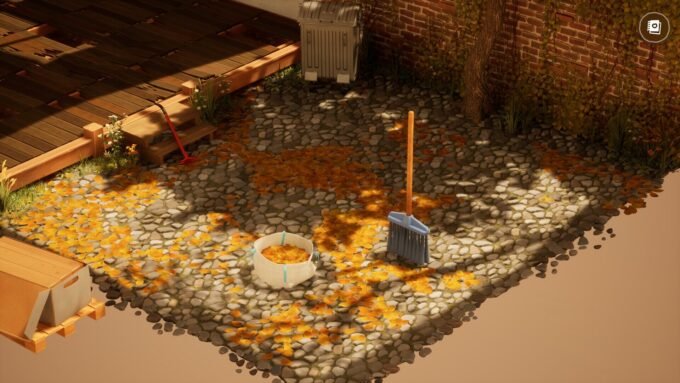
Stardew Valley works as a couple game for a very different reason. It does not ask you to constantly coordinate or react at the same time. Instead, it gives both of you space to settle into your own rhythm while still working toward shared goals.
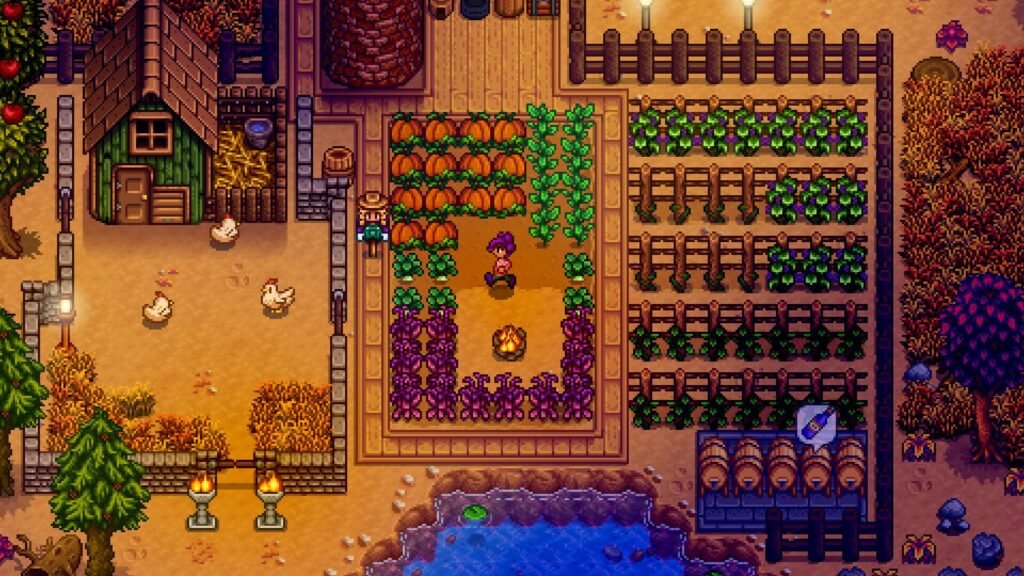
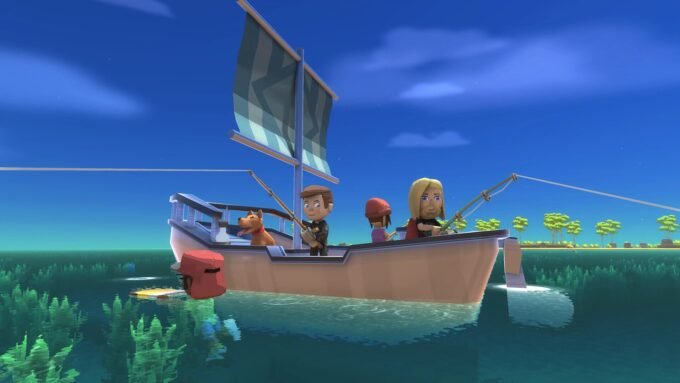
When played together, you can split tasks naturally. One person might focus on farming or fishing, the other on exploring, mining, or handling the town side of things. You are contributing to the same farm and progress, but you are not glued to each other every second. That makes it a great option if you want something relaxed that still feels shared.
Unravel Two
Unravel Two is a quieter couple game, but it is very intentional about playing together. You control two Yarnys connected by a thread, and most of the puzzles only work if both of you are paying attention to each other’s movement.

The coordination here is slower and more thoughtful compared to something like It Takes Two. You are not reacting quickly or juggling multiple mechanics at once. Instead, you are timing jumps, pulling each other up ledges, and using that shared thread to solve problems. It naturally encourages communication, but never in a rushed way.
What makes Unravel Two good as a couple game is how forgiving it feels. If one person struggles with platforming, the other can help by pulling them forward or adjusting the pace. You are rarely punished for mistakes, and the game gives you room to try again without breaking the flow.
Overcooked 2
Overcooked 2 is easily the most chaotic couple game on this list, and it knows exactly what it is doing. This is not a calm, sit-back-and-relax kind of experience. It is fast, loud, and built around constant movement and communication.
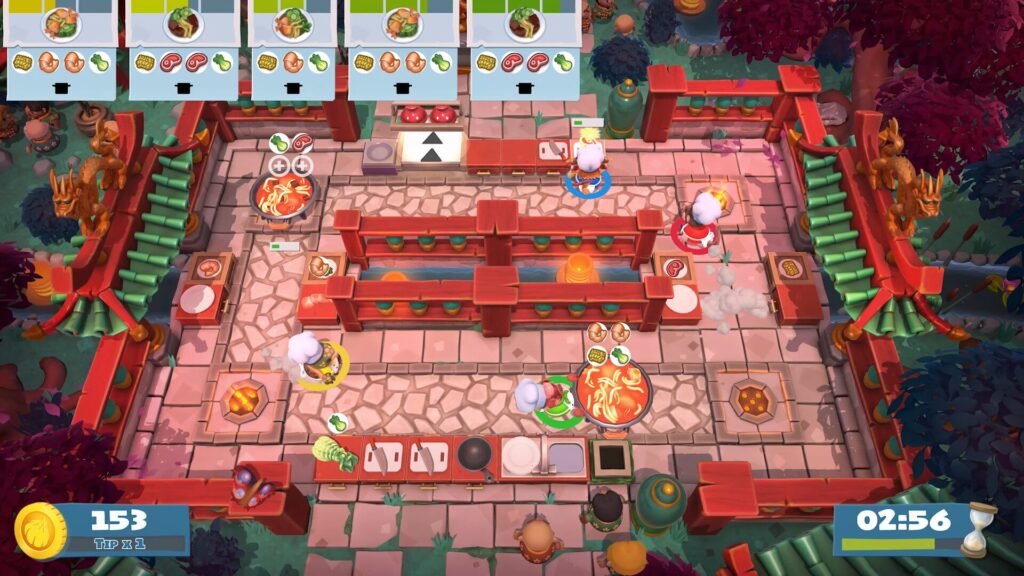
When you play together, everything happens at once. One of you might be chopping ingredients while the other handles cooking, plating, or putting out fires. Levels change layouts mid-round, throw obstacles in your way, and force you to adapt quickly. If you stop talking, things fall apart fast.
What makes Overcooked 2 work as a couple game is that the chaos is shared. Mistakes are obvious, funny, and usually short-lived. You fail together, adjust together, and move on. As long as both of you treat it as a game to laugh through rather than something to perfect, it stays fun instead of frustrating.
Among indie couple games, this one is best saved for nights when you want something energetic and don’t mind a bit of mess. If you enjoy fast teamwork and reacting on the fly, Overcooked 2 delivers that kind of shared intensity in short, satisfying bursts.
Moving Out
Moving Out takes the chaos of teamwork and turns it into something lighter and more forgiving. Instead of managing timers and precise tasks, you are lifting couches, throwing boxes, and figuring out how to get oversized furniture out of places it clearly does not fit.
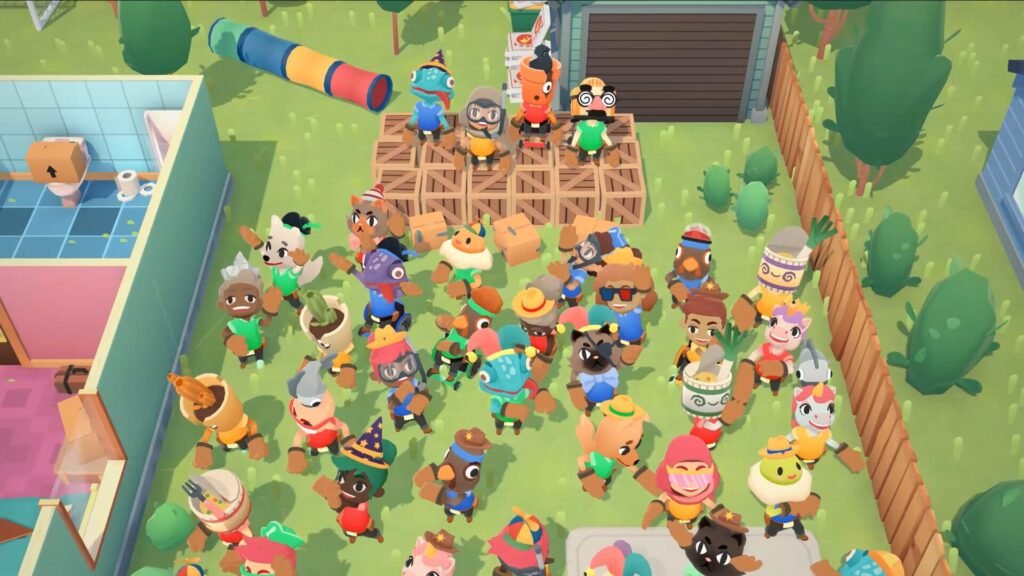
As a couple game, it works because roles are flexible. You can both grab the same object, split up to clear a path, or improvise when things go wrong. There is no single “right” way to solve most levels, which makes it easier to adjust if one of you plays more confidently than the other.
The pace is still active, but it does not feel as stressful as Overcooked 2. You can take a second to regroup, laugh at a bad throw, and keep going. Mistakes feel silly rather than punishing, and the game encourages experimentation instead of precision.
Tools Up!
Tools Up! sits somewhere between planning and chaos, which makes it a surprisingly solid couple game. You are renovating apartments together under a time limit, painting walls, laying tiles, and moving furniture before the clock runs out.
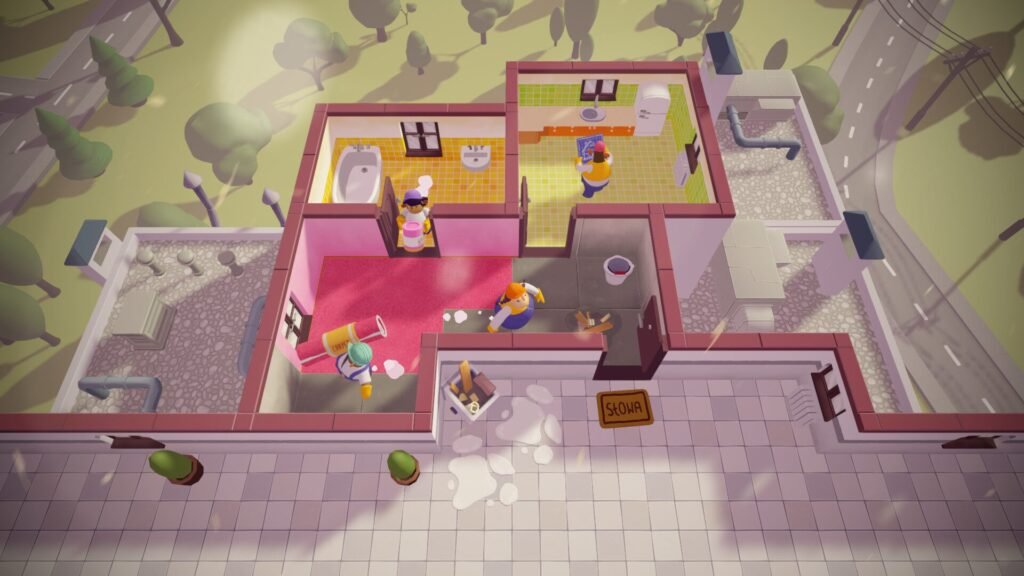
What makes it work for couples is the way roles naturally form. One of you might focus on prepping rooms or grabbing materials while the other handles the actual renovations. You are constantly moving around each other, calling things out, and adjusting plans when something goes wrong.
There is pressure here, but it is manageable. Early levels are forgiving, and even when things get messy, the game rarely feels unfair. If you miss a step or waste time, you usually laugh it off and try again with a slightly better plan.
There is no perfect pick here. Some nights call for chaos, others for something slower, and sometimes you just want a game you can drop without thinking too hard. The point of these indie couple games is that you can choose based on how the night actually feels, not how it is supposed to go.
Follow Blooing on Facebook, YouTube, and TikTok for more Indie Game news and reviews.










Leave a comment