



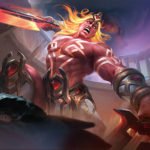
Ling is not a hero you pick up and instantly dominate with. He has one of the steepest learning curves in Mobile Legends: Bang Bang, and that is exactly why players who put in the time get so much out of him.
He climbs walls, stays hidden on the minimap, and drops into fights from angles that most heroes cannot reach. His entire kit is built around positioning and timing. Get those two things right, and he can take apart an enemy backline before anyone has time to react.
What makes Ling different from other assassins is his resource system. Instead of mana, he runs on Lightness Points. This means you are always managing energy alongside positioning. Run out on a wall and you become a sitting target. Use your skills at the right moments and you become almost impossible to deal with.
This Ling ML build guide covers everything you need to play him well in 2026: the right items, the best emblem setup, which battle spell to run, and how to think about the game from early to late.

Ling ML Skills
Understanding what each skill does mechanically is the foundation of playing Ling well. A lot of Ling players misunderstand how his skills interact with each other, so do not skip this section even if you have played him before.
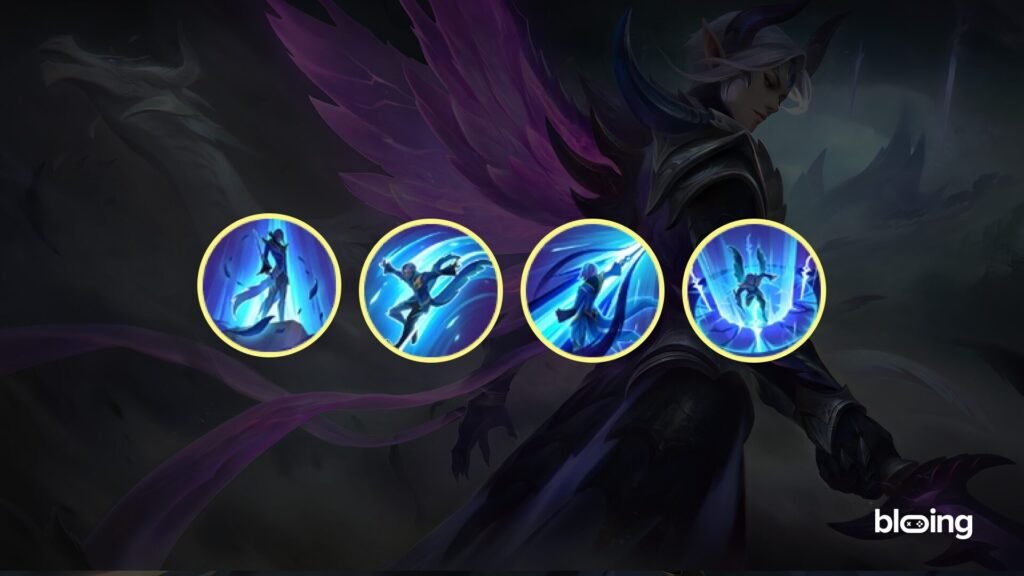
Passive: Cloud Walker
Ling’s passive grants him incredible mobility and energy recovery. Instead of mana, Ling uses Lightness Points as his resource, which regenerates when he’s on walls or lands a critical hit. Additionally, Ling has a higher critical chance but reduced basic attack damage.
| What it does | Why it matters |
| Ling uses Lightness Points instead of mana | You always need to track your energy, not just your cooldowns |
| Regenerates on walls and when dealing damage | The wall is your resource station, not just a mobility tool |
| Increases Critical Chance from all sources | More crit chance means more damage from every Defiant Sword dash |
| Critical Damage is capped | Burst is strong but not infinite, so sustained play matters |
Coaching note: If you are running low on Lightness Points mid-fight, hop onto a wall before committing further. Never engage at empty energy.
First Skill: Finch Poise
Ling leaps onto the nearest wall and enters a semi-stealth state. On the wall, he moves faster and regenerates Lightness Points quickly.
Two things break the stealth: taking damage, or getting hit by crowd control. If crowd control catches him on a wall, he falls to the ground and gets slowed for 2 seconds.
The mechanic most players overlook: Every time Ling jumps from one wall to another, Finch Poise resets completely. This means he can chain wall hops across the entire map as long as walls exist between him and his destination. Learning the wall layout of Sanctum Island is not optional. It is a required skill.
Second Skill: Defiant Sword
Ling dashes toward a target location and deals Physical Damage. When cast from a wall, the dash hits the ground instead and deals AoE damage with a slow. A critical strike on the dash makes the slow stronger.
The detail most beginners miss: Defiant Sword is classified as a Basic Attack. This means it triggers lifesteal from items and other attack-based effects. Every wall dash that connects with an enemy is also healing you. This is a core reason Haas’ Claws is in the build.
Ultimate: Tempest Blades
Ling leaps into the air and becomes untargetable. He then crashes down, dealing Physical Damage in an area and knocking enemies in the center airborne. Four swords appear at the edges of the impact zone.
What each sword does when collected:
| Effect | Impact |
| Resets Defiant Sword cooldown | Lets you dash again immediately |
| Drastically reduces Finch Poise cooldown | Gets you back on a wall faster |
| Restores Lightness Points | Keeps your energy up for extended fights |
Most beginners use the ultimate only for the burst and knockup. That is half of what it does. Collecting swords after landing is what turns Ling from a one-combo hero into a sustained threat in a teamfight.
After every ultimate: collect the swords first, then decide what to do next.
Skill Order
| Priority | Skill | Reason |
| 1st | Skill 2 (Defiant Sword) | Primary damage tool, gets stronger faster |
| 2nd | Ultimate (Tempest of Blades) | Upgrade whenever available |
| 3rd | Skill 1 (Finch Poise) | Wall hop function does not change much with levels |
Combos and Execution
Standard Burst Combo (most reliable, use this to learn Ling)
- Finch Poise onto a wall near your target
- Defiant Sword from the wall to trigger AoE slow
- Tempest of Blades to deal burst damage and knock the target airborne
- Collect all four swords immediately
- Defiant Sword again to finish or escape
Extended Fight Combo (for teamfights with multiple targets)
- Finch Poise to position on a wall above the enemy backline
- Tempest of Blades to initiate and disrupt multiple enemies
- Collect swords as fast as possible
- Chain Defiant Sword dashes between weakened targets
The difference between an average Ling player and a good one often comes down to step 4. Sword collection is a habit that takes deliberate practice to build.
Ling ML Best Build
Best Burst Item Build for Ling in Mobile Legends 2026
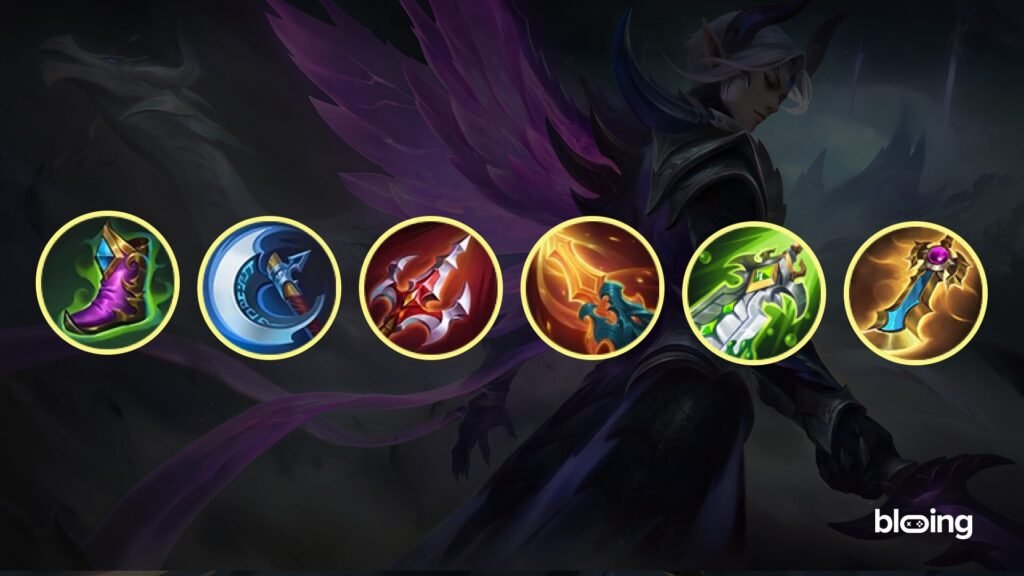
- Tough Boots
- Berserker’s Fury
- Haas’ Claws
- Endless Battle
- Blade of Despair
- Malefic Roar
Situational Items:
- Immortality
- Rose Gold Meteor
Recommended Emblem Set for Ling
Custom Assassin Emblem
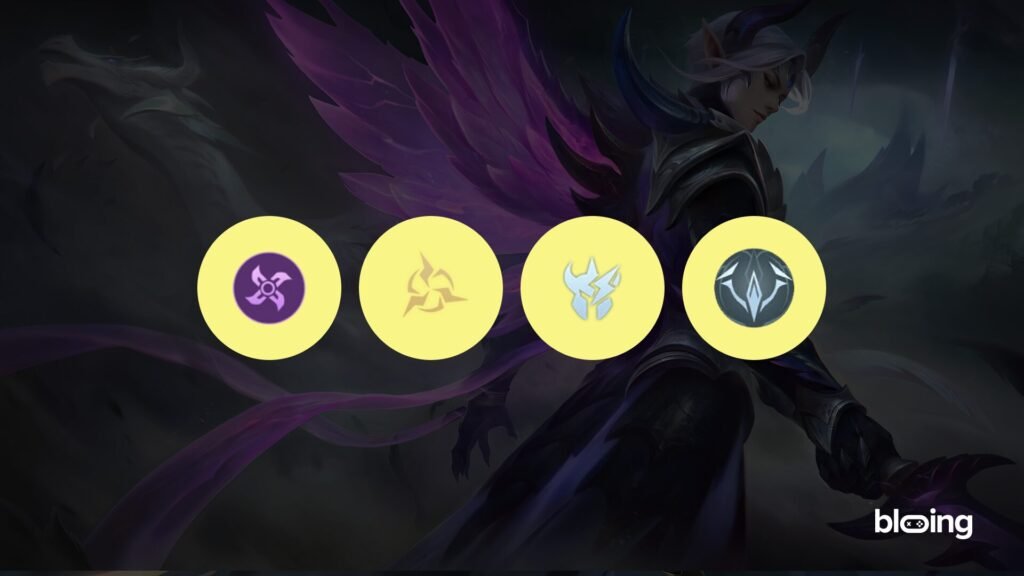
- Fatal
- Seasoned Hunter
- Killing Spree
Why Killing Spree over War Cry?
Killing Spree rewards exactly what good Ling play looks like: dive in, secure the kill, chain to the next target. The HP recovery after a kill keeps you alive for a second or third engagement. The movement speed boost helps you reposition to collect swords and continue the fight.
War Cry is the better swap when the enemy team is full of tanks and bruisers and you cannot reliably secure kills. It increases damage after three consecutive hits, which works better in long drawn-out fights.
Recommended Battle Spell
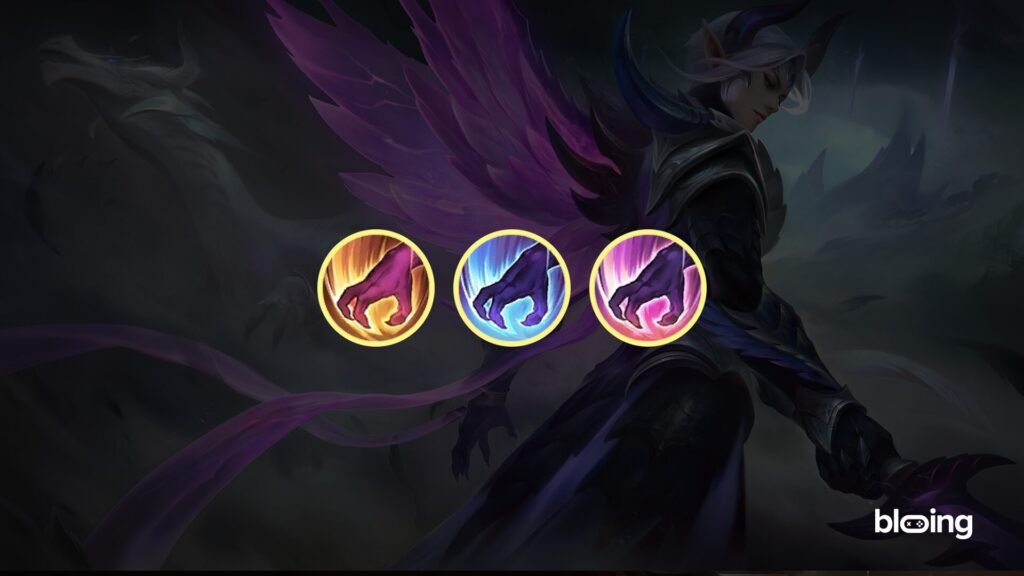
Retribution is the only spell worth running on Ling.
Upgrade to Ice Hunter’s Blessing as early as possible. This makes Retribution slow enemy heroes when used, which is useful in direct combat throughout the entire game, not just for clearing camps.
Ling Gameplay Tips and Strategy Guide
Early Game: Blue Buff, Farm, and Patience
Your first goal every game is the blue buff. It reduces Lightness Point consumption, which means smoother skill chaining, more frequent wall hops, and less downtime between fights.
After securing it, use Finch Poise to chain wall hops through the jungle and clear camps faster than you can on foot. Wall traversal is a farming tool, not just a combat one.
Avoid fights before level 4. Ling without his ultimate is fragile and predictable. Heroes like Khufra, Franco, and Chou can shut him down completely in early skirmishes because he has no invulnerability window. If the enemy jungler is pressuring your camps, back off and farm the other side. Do not force a fight you are not ready for.
Once you hit level 4 and unlock Tempest of Blades, take the Lithowanderer for early vision and then start looking for rotation opportunities.
Mid Game: Rotation Logic and Target Priority
Follow this target hierarchy every rotation:
| Priority | Target | Why |
| 1st | Enemy Mage (mid lane) | Low HP, low physical defense |
| 2nd | Enemy Marksman (gold lane) | High damage, usually isolated |
| 3rd | Squishy Support | Easy to burst, high value |
| Avoid | Tanks and Bruisers | Built to absorb exactly what you deal |
Approach from walls your targets are not watching. Ling can reach lanes through angles that bypass normal pathing routes, so enemies often do not see him coming until it is too late.
Turtle control is a priority. Coordinate with your team and use Retribution to secure it cleanly. A Turtle lead at 4 to 5 minutes speeds up your item progression significantly.
Understanding Ling’s Counters
| Counter | Why it’s a problem | How to play around it |
| Khufra, Atlas, Akai | Hard crowd control knocks Ling off walls and lets the team collapse | Build Immortality as Item 6, wait for their CC to be used before diving |
| Fanny, Hayabusa | High mobility makes direct duels unfavorable | Ignore them, pressure their teammates instead |
| Blade Armor | Reflects 25% of crit damage back at Ling | Switch to Malefic Roar earlier to rely on penetration instead of crits |
Late Game: Two Approaches
Teamfight Approach
Do not go in first. Let your frontline initiate and draw out enemy crowd control abilities. Once those are on cooldown, use Finch Poise to get onto a wall above the backline, then drop in with Tempest of Blades.
After landing, collect swords immediately and chain Defiant Sword dashes to finish off weakened targets. Your goal is to delete the highest value heroes and escape before the enemy frontline can turn on you.
Split-Push Approach
If teamfights keep going badly, switch to split pushing. Push a sidelane through wall traversal faster than any enemy hero can rotate to stop you.
This forces a decision on the enemy team:
- Send someone to stop you and give your team a numbers advantage
- Ignore you and lose a tower
Either outcome works in your favor. Let your team know the plan before you execute it so they can apply pressure on the other side of the map.
Conclusion
Ling has a real skill ceiling, and the beginning of the journey can feel frustrating. You will get caught out. You will miss sword collections. You will run out of energy at the worst moment.
That is all part of learning him.
What makes it worth it is how much he can do once the mechanics become second nature. The wall traversal, the energy management, the combo timing, and the split-push threat come together into a hero who can take over a game almost by himself when played well.
Start with the habits. The mechanics follow.
Follow Blooing on Facebook, YouTube, and TikTok for more MLBB news, guides, and updates.
Editor’s Note: We’re constantly updating all of our Mobile Legends guides according to the latest patch notes made by MLBB to keep our guides fresh, up-to-date, on-trend, and reliable.










Leave a comment