


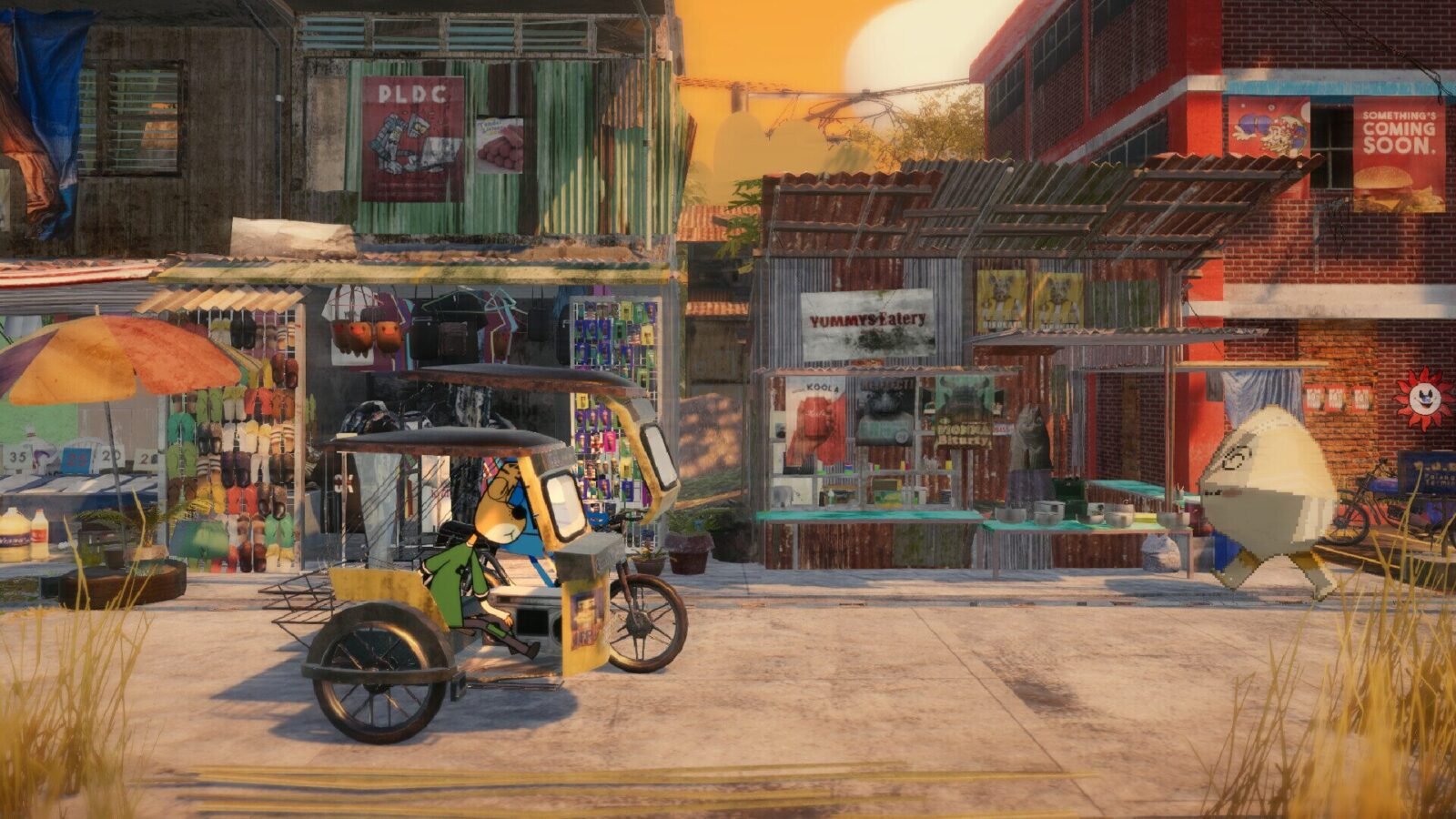
There’s a decade-old wallet sitting on the desk in front of you, and somewhere out there in the small town of Luisiana, someone is missing it. Your job is kinda simple: figure out who it belongs to and give it back. Except nothing about this town is actually simple, because the person who walks in claiming that wallet might not be telling the truth, and if you hand it over to the wrong person, that decision follows you through the rest of the story. Welcome to Lost & Found, the debut game from Filipino solo developer Kurt Reodica, known online as ShaggyBearGames.
Lost & Found is an adventure-mystery game set in 2007, where you play as Rico, a laid-off artist who comes back to his hometown after the city stops working out for him. The only job available is at the local Lost and Found office, and so that’s where the story begins. On the surface it sounds like a quiet, slow-burn premise, and it is, but underneath that quietness is a game built around the idea that every person you meet is carrying something they haven’t told you yet.
The Job Is Never Just the Job
Lost & Found is built around matching lost items to their rightful owners, but the way it handles that is what makes it interesting. Every returned item moves the story forward, and returning something to the wrong person doesn’t just feel bad narratively, it actually changes things. Some residents will lie to you about ownership. Some will tell you partial truths. It’s your job to gather clues, talk to the people of Luisiana, and figure out who’s being straight with you and who isn’t. The game even warns you upfront: not all that’s lost is meant to be found, which is a remarkably loaded thing to say about a job that sounds like it should involve sticky notes and a clipboard.
The items are doing a lot of the storytelling here. A decade-old wallet isn’t just a wallet. An old notebook with a legendary bread recipe isn’t just a notebook. These are pieces of someone’s life, and the game treats them that way. Handing one of them to the right person can change their story for the better, and handing it to the wrong one has consequences that ripple through the rest of the game.
A Visual Style That Shouldn’t Work But Absolutely Does
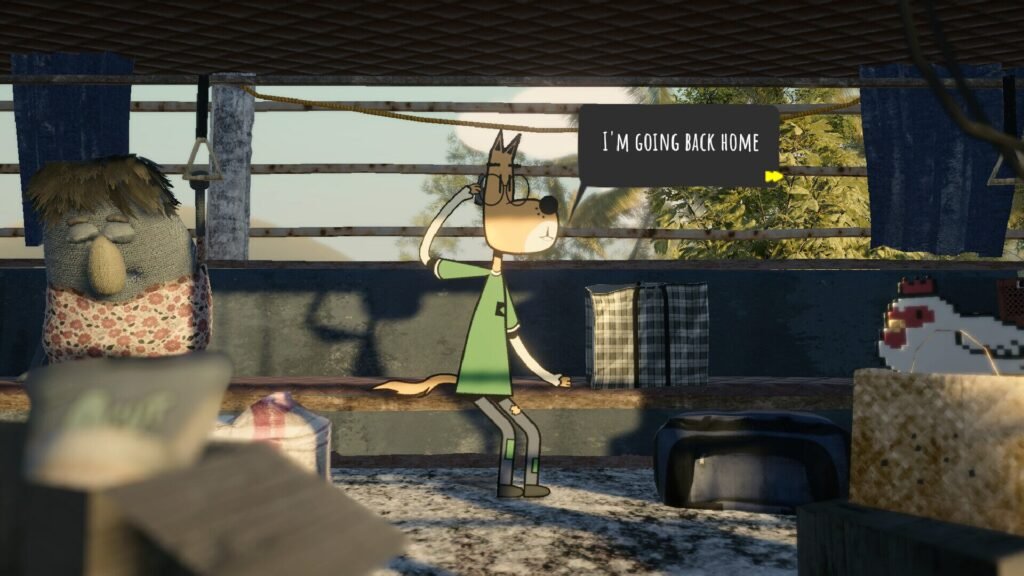
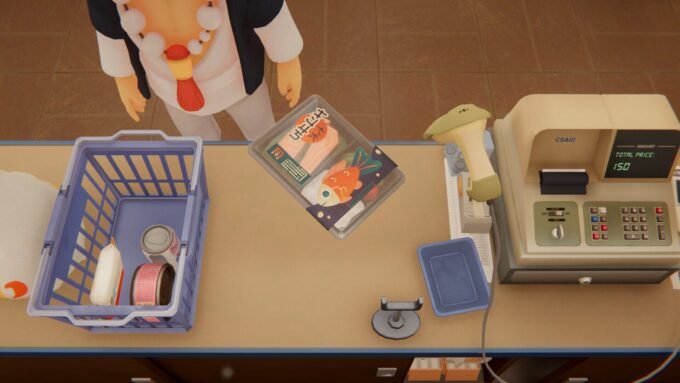
Lost & Found uses a hybrid art style that mixes 2D, 3D, pixel art, claymation, and collage, and the first time you see it in motion it takes a second to process. The characters in Luisiana are all deliberately designed to look and feel distinct from each other, with each one rendered in a way that reflects their personality rather than a consistent visual rulebook. It’s chaotic in the best possible way. The inspirations Kurt cited: The Amazing World of Gumball, Night in the Woods, and Return of the Obra Dinn, are all over it, and Lost & Found somehow makes Obra Dinn’s deduction and Gumball’s visual anarchy feel like they belong in the same small town.
The Dev Behind It
Kurt Reodica is a solo developer and animator who built an audience of over 100k followers across YouTube and TikTok through gaming animations before turning that momentum into an actual game. Lost & Found is his debut, developed after a stint as an intern at Puppeteer Animation Studios, and the craft behind the visual direction shows. The idea that anchors the whole project is something he’s been pretty open about: a quiet life where every person you meet reminds you that they’ve been through something. It’s the kind of idea that explains why a missing bread recipe gets the same weight as a missing wallet.
One to Wishlist Now
Lost & Found doesn’t have a release date yet, and the game is still heavily in development, but the Steam page is live and the wishlists are open. Not many debut games can make you stop and ask “wait, what is this?” just from a trailer, but Lost & Found manages it. Filipino indie games have been making serious noise lately, and Lost & Found looks like another one worth paying attention to.
Follow Blooing on Facebook, YouTube, and TikTok for more Indie Game news and reviews.









Leave a comment